

- Avlight’s Commitment to Clean and Sustainable Manufacturing for Better Product Quality
The story of Avlight’s manufacturing evolution is no longer just about precision and scale; it is equally about responsibility. As expectations around environmental performance, resource efficiency and safe working conditions increase across global industries, Avlight has chosen to place clean and sustainable manufacturing at the centre of its long-term strategy. The company recognises that product quality today is inseparable from how that product is made—how much energy is consumed, how much waste is generated and how people and the environment are treated along the way.
What began as a focused plastic-moulding and lighting operation has grown into a group of modern plants where efficiency, environmental care and safety are built into day-to-day decisions. From machinery selection and process design to material use and factory layouts, Avlight’s approach to sustainability is pragmatic: every improvement must strengthen both quality and responsibility. This article explores how Avlight integrates clean and sustainable practices into its manufacturing ecosystem, and how those choices translate into better, more reliable products for customers worldwide.
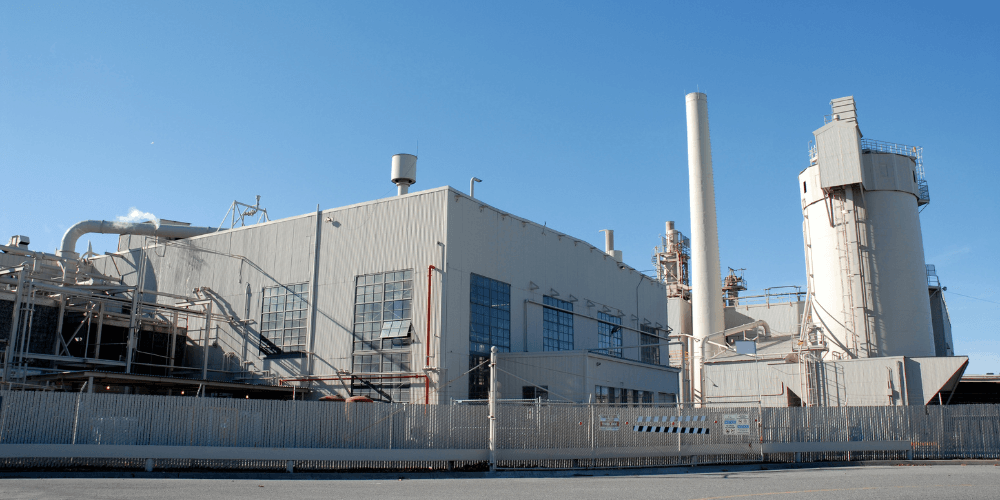
Embedding Sustainability at the Heart of Manufacturing
For Avlight, sustainability is not an add-on or a marketing label; it is a design principle for operations. When planning new facilities or upgrading existing ones, the company evaluates environmental and safety parameters alongside technical capacity and cost. Energy usage, heat rejection, ventilation, operator ergonomics and waste flows are considered early in the planning process rather than treated as later corrections.
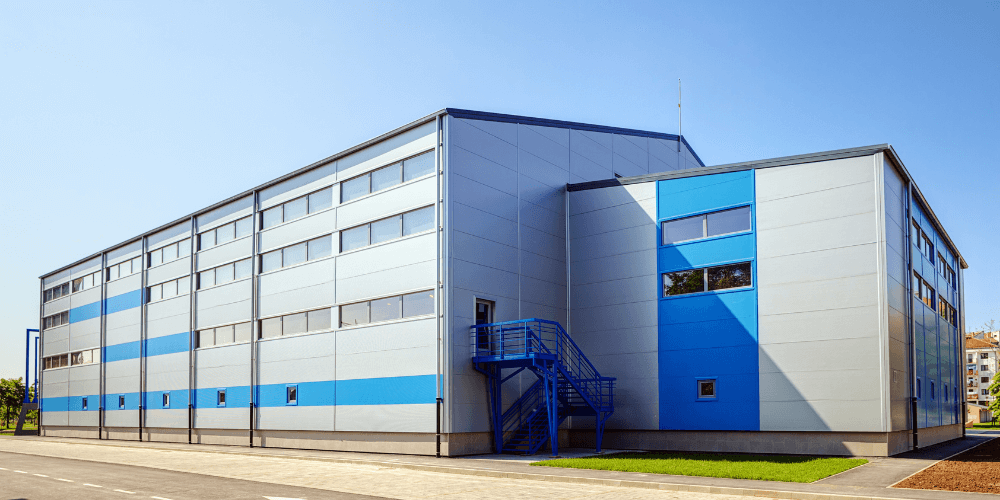
This mindset is evident in the way Avlight has configured its plants. Natural light is used wherever possible to reduce dependence on artificial lighting, walkways and equipment zones are laid out to minimise unnecessary movement and material handling, and processes are grouped logically to reduce transfer losses. Clean, organised shop floors are not only easier to maintain but also safer for employees and more stable from a process standpoint. By designing factories as integrated systems rather than collections of machines, Avlight ensures that sustainability and quality reinforce each other rather than compete.
Clean Processes, Better Components
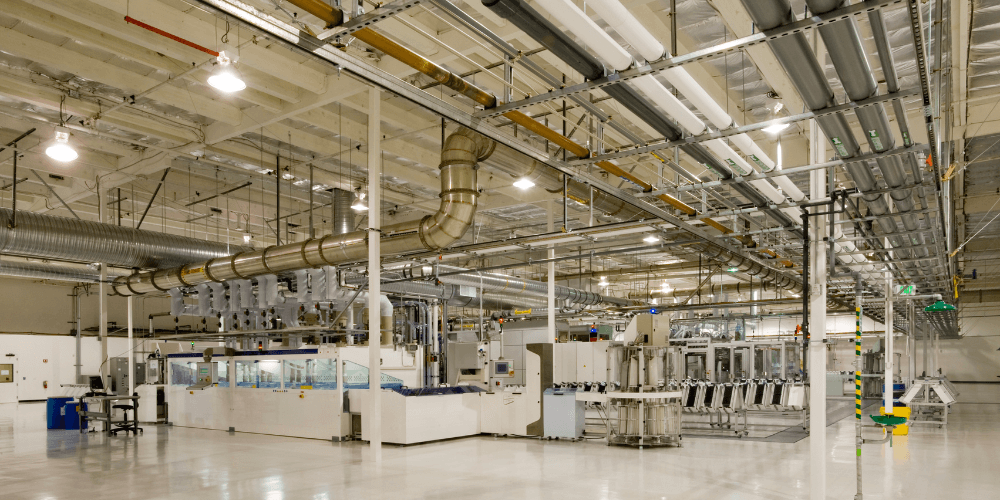
Energy-Efficient Machinery and Operations
Energy efficiency is a recurring theme in Avlight’s manufacturing choices. All-electric moulding machines, high-efficiency motors, optimised compressed air systems and intelligent lighting controls contribute to lower electricity consumption across plants. Wherever practical, the company works to reduce idle running, optimise machine utilisation and smoothen production schedules to avoid frequent start-stop cycles that waste energy.
Avlight’s focus extends beyond individual machines to broader operational patterns. Careful planning of batch sizes, tooling changes and material changeovers reduces downtime and inefficient warm-up cycles. Maintenance teams monitor equipment performance and intervene proactively to prevent conditions that lead to energy wastage, such as leaking air lines, worn seals or poorly tuned heaters. While these actions may appear incremental, over time they significantly lower the overall environmental footprint of the manufacturing system without compromising throughput or quality.
Responsible Materials and Waste Management
Material selection and waste management form another important dimension of Avlight’s sustainability journey. The company works with suppliers to source consistent, high-quality polymers and additives that support long-term performance while maintaining compliance with regulatory requirements. RoHS and REACH considerations are built into material approval processes, ensuring that hazardous substances are avoided in both components and surface treatments.
On the shop floor, Avlight tracks scrap generation and categorises its sources—start-up losses, process variation, trimming or handling damage. This analysis allows engineering and production teams to implement targeted improvements, such as optimised gating, better handling methods or process parameter adjustments. Where possible, internal scrap is re-granulated and re-introduced in controlled proportions for suitable applications. The intention is not simply to recycle for its own sake, but to design processes that generate less waste in the first place and manage essential waste streams responsibly.
People, Safety and Workplace Well-Being
Sustainable manufacturing is incomplete without attention to people. Avlight’s commitment to clean operations goes hand-in-hand with a strong emphasis on health and safety. Workstations are designed to minimise awkward postures and heavy manual lifting. Safety guarding, interlocks and clear visual markings around moving equipment create safer zones for operators and maintenance staff. Regular safety training, emergency drills and hazard-awareness programmes ensure that teams remain alert to risks and know how to handle them.
The company’s occupational health and safety systems are structured around recognised standards, but the intent goes beyond compliance. Management encourages reporting of near misses and unsafe conditions, not to assign blame but to improve systems. Good indoor air quality, adequate lighting, noise control and orderly work environments support both productivity and long-term well-being. In Avlight’s view, a clean factory is not only more efficient; it is also a place where people can work with confidence and pride.
Partnering with Customers on Sustainable Solutions
Customer demands increasingly reflect broader concerns about energy usage, recyclability and environmental impact. Avlight responds by integrating these considerations at the design and development stage. When engineering lighting systems, housings or brackets, the development teams look for opportunities to reduce part weight, consolidate multiple components into fewer moulded pieces and design for easier assembly and disassembly. Such changes can reduce material consumption, lower logistics costs and simplify end-of-life handling for the customer.
The company also works with OEMs to validate alternative materials or coating systems that offer improved environmental profiles while still meeting performance requirements. In lighting projects, this can include lenses designed for LED modules that consume less power while achieving required illumination levels. By treating sustainability as a shared goal rather than a unilateral obligation, Avlight positions itself as a partner in the customer’s own environmental commitments.
Measuring Impact and Driving Improvement
Commitment to clean and sustainable manufacturing must be supported by data. Avlight collects and analyses information on energy use, scrap rates, rework levels and machine utilisation to track trends over time. Environmental and safety audits are used to identify gaps and prioritise corrective actions. While many of these measurements are internal, their impact is outward-facing: lower energy per part, fewer defects and more stable processes all contribute to better quality components for customers.
Continuous improvement programmes encourage cross-functional teams to propose and execute projects that simultaneously improve productivity and reduce environmental impact. For example, optimising a cooling circuit may shorten cycle times while decreasing energy consumption for chillers. Improving mould venting might reduce short shots and burn marks, thereby lowering scrap and freeing up machine capacity. Each project reinforces the idea that quality, efficiency and sustainability can advance together, rather than being competing objectives.
A Future Shaped by Clean Manufacturing
Looking across Avlight’s manufacturing operations today, common themes emerge: energy-efficient equipment, disciplined process control, careful material management, workplace safety and a willingness to evolve. These elements together define the company’s approach to clean and sustainable manufacturing. Customers experience this commitment not in slogans, but in components that meet specification consistently, last longer in service and are produced within systems designed to minimise waste.
As industries move towards electrification, more efficient mobility and stricter environmental regulations, Avlight’s foundations position it well for the next phase of growth. The same engineering mindset that has guided its investments so far will continue to shape decisions around automation, data-driven control and new manufacturing technologies. Clean operations will not be treated as a separate initiative, but as an integral expectation of world-class manufacturing.
Conclusion – Clean Manufacturing as a Path to Better Quality
Avlight’s commitment to clean and sustainable manufacturing is ultimately a commitment to better product quality and long-term customer value. By investing in all-electric moulding machines, controlled processing environments, responsible material use and safe working conditions, the company has built a manufacturing ecosystem where environmental responsibility and engineering precision support one another. Each improvement in energy efficiency, waste reduction or workplace safety is also an improvement in process stability and reliability.
Rather than viewing sustainability as an external pressure, Avlight treats it as an opportunity to refine how it designs, moulds and assembles products. That perspective has allowed the company to align its operations with global expectations while staying true to its core identity as an engineering-driven organisation. For customers, Avlight’s approach means more than simply receiving compliant parts. It means partnering with a manufacturer that understands that clean processes, sustainable choices and disciplined engineering are essential to building components—and relationships—that stand the test of time.